
Skip to content

Protection

A policy is a tool. We’ll help you see which job it’s for.

For entrepreneurs and the households behind them. Life insurance can pay a mortgage, keep a business standing, or leave something to the people you name. We’ll help you choose the contract that matches the risk you actually carry.

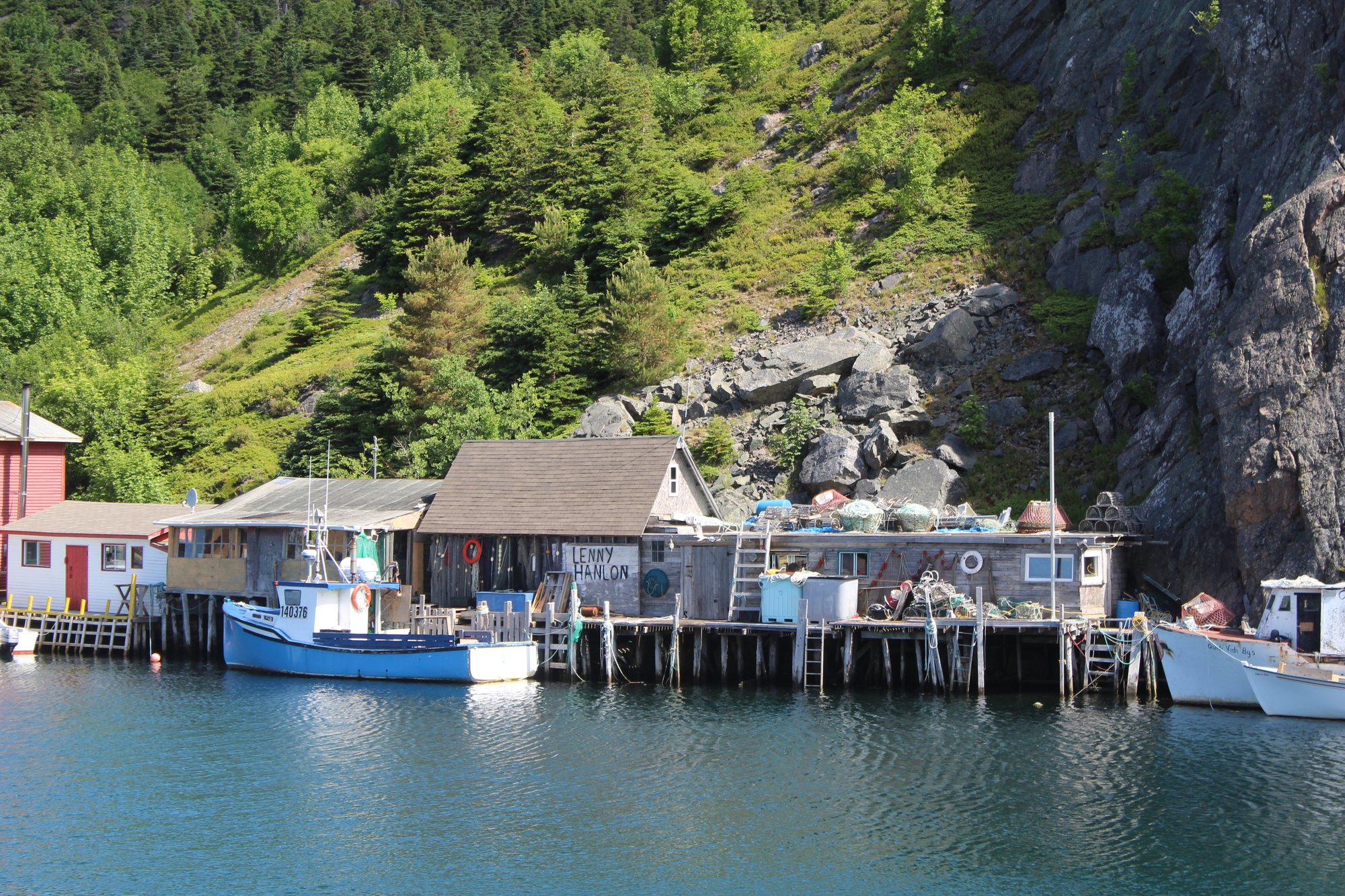
Fishing boats and stages at Quidi Vidi harbour, St. John’s

Method

First the need. Then the product.

We listen for the obligation first: children still at home, a business that couldn’t survive a death, a spouse who would inherit a company and a tax bill on the same day. Only then do we look at term, permanent, or a mix. We won’t sell lifelong coverage for a ten-year problem, or a cheap term policy for a need that doesn’t expire.

Term

A set period. A set price. A defined job.

Term is the right product when the risk has an end date: a mortgage, years of income a family still depends on, a buy-sell that only needs to be funded until the company is paid down. If you die during the term, the people or charities you name receive a tax-free death benefit. Conversion and extension options are part of the design, not a footnote. We will show you when conversion is worth paying for, and when it is theatre.

  • Mortgages and young families
  • Peak-earning years in trades, offshore, and small business
  • Temporary corporate obligations

Participating & permanent

When the need does not expire.

Some obligations outlast a term: an estate that should not be forced to sell, a corporation that will always need cash at death, a wish to leave an amount to named beneficiaries. Participating life is permanent coverage. Over time the policy may earn dividends credited by the insurer. Those values can, under the contract, be left to grow, withdrawn, or borrowed against, each with tax consequences we walk through first.

A named beneficiary can, when ownership is set correctly, receive a death benefit without the estate going through probate. That’s a legal and tax outcome, not a slogan. It depends on the contract and the names on it. We won’t promise “probate-proof.”

Living benefits

The risk is not only death.

A serious illness or a long disability will test a household faster than a death benefit ever will. Provincial health care in Newfoundland and Labrador does a great deal. It does not pay the mortgage, the boat, or the specialist you fly to the mainland to see.

Critical illness

A lump sum if you meet the definition of a covered condition, so treatment, travel, and time off work are not funded from the RRSP.

Disability insurance

Income replacement when you can’t work. For owners, personally owned coverage and overhead protection do different jobs. We’ll keep them straight.

Health and dental

For households without a group plan, and for owners who need something that will still exist if the company has a thin year.

Questions we hear in this province

Group coverage usually ends when the job ends. Personally owned term or living benefits travel with you. That is why we look at what the employer plan actually is (not what the camp brochure implied) before we decide what you should own yourself.